 |
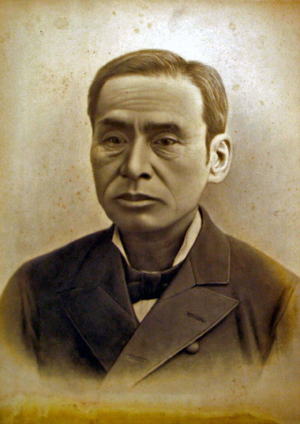
| Yamao Yozo |
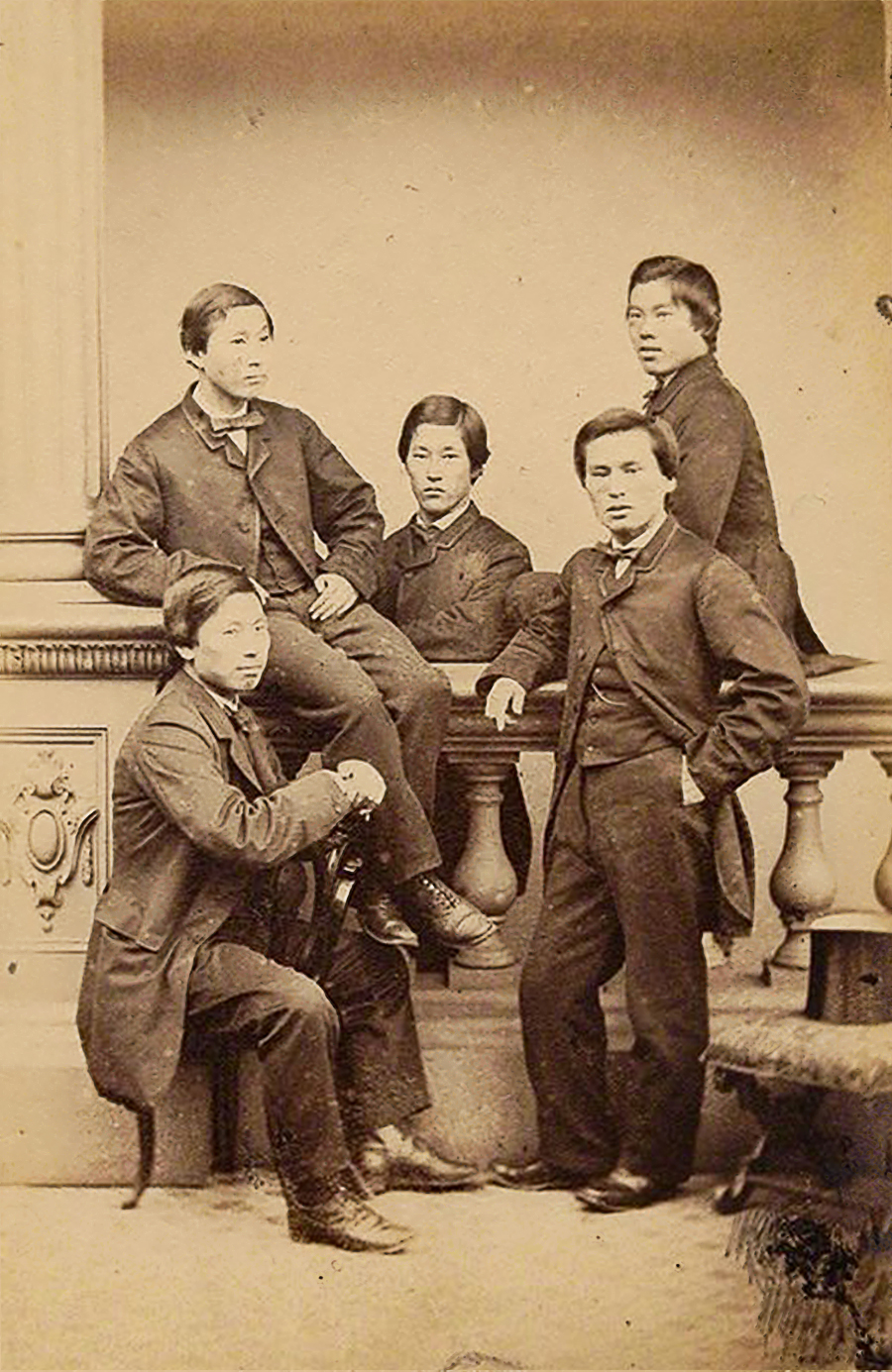
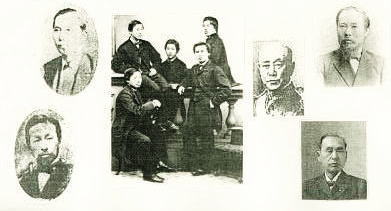
If you can say names of all the members of Choshu Five, you are quite familiar with Japanese history. Choshu Five are well-known as people who made Japan’s foundation from foreign countries. However, most Japanese people do not know the details or they know only one member, especially Hirobumi Ito. He was the first prime minister of Japan, so he is the most famous person of Choshu Five. However, it could be said that Yamao Yozo is one of the people who improved the level of Japan. He also traveled to learn and brought knowledge as a member of Choshu Five. He developed Japan infrastructure, education for industry and society and chances to work for people who are deaf and speech- impaired.
Infrastructure
Yamao Yozo contributed to make infrastructure of Japan. He had a chance to go to London to learn. One of studies he learned was civil engineering which is a technical skill of founding bases to live. After he came back to Japan, he had opportunities to be in the Japanese government. According to Kitayama (2006), “Yamao’s policy was that a country could grow under the power industry.” He tried to make Japanese infrastructure better, and he focused on three points for infrastructure in Japan. One of his works is that he tried to adopt engineering to improve Japanese industry. He noticed that accepting the iron industry and the shipbuilding industry as government management was a quicker way to develop Japan. Also, he provided networks of roads in Japan. He became a leader of making railways and lighthouses, and they became important things to transport people and materials. In addition, Yamao took part in a plan of building a government office quarter. He became a leader of planning to make a new government office in an area in Tokyo. This area has been well-known as the government area of Kasumigaseki, where there are many buildings of government office.
Schools
Yamao tried to give chances to educate people for the future of Japanese industry and society. According to Kitayama (2006),”his thinking is that people can create workers if the basic of industry is not in Japan, and they would be people who could contribute to Japanese industry.” Yamao thought that engineers from England exactly contributed to create Japan’s infrastructure. However, he felt it was important to educate young Japanese people who would be great engineers in the future, so Japan would not need to rely on England forever. Miyoshi’s (1992) study found the following: Yamao built an engineering school, because he felt Japan needed to educate people to create independence of any Japanese technology. Also, there was no precent that a school gave a perfectly new education of engineering around the world. (p.292) Yamao’s plan for starting a school for engineering was accepted, and the school opened in 1873. Moreover, he found a school of art for industry. At the time, he had ideas of industrial designs, and he thought that industry is connected with art, so people should study art for industry. Also, he gave education and skill to persons with hearing and speaking disabilities. He tried to collect money to establish a school for them from many people and the Imperial Family, and the school started in 1880.
Education
Yamao introduced education for persons who are deaf and speech-impaired to Japan. He felt that people could get greater skill and abilities as workers by education (Asahi.com, 2004). He had chances to study and work at Napier’s shipyard in Scotland from 1866 to 1868. During his stay in the place, he saw people who were workmen and did not speak at all. However, he noticed that the people could not communicate with words, but they used a sign language to communicate with each other. He thought that people who are deaf and speech-impaired in Japan also could work like the Scottish workmen. In addition, they could contribute to Japanese society as workers, so he tried to make chances to live and work in society for these people in Japan. Therefore, he built a school for them in 1880, and he proposed that the school should be in the Ministry of Education, Culture, Sports, Science and Technology. Furthermore, he became the president of the Japan Association for Persons with Hearing and Speaking Disabilities, and he tried to spread sign language in Japan.
Yamao Yozo is the person who modernized Japan, especially for industry. He contributed to make infrastructure of Japan, tried to educate people for the future of Japanese industry and society, and introduced education for people who are deaf and speech- impaired. If you are Japanese or a person who is interested in Japanese history, you should know about his contributions. Nowadays, his efforts and thinking have been inherited in Japan.
References
Kitayama, T. (2006). Life of Yamao Yozo. Retrieved December 22, 2013 from Toshikazu Kitayama’s website: http://ktymtskz.my.coocan.jp/denki/yamao.htm
Miyoshi, N. (1992). A Career of Samurai-Engineer Yamao Yozo. Retrieved January 8, 2014 from CiNii Website: http://ci.nii.ac.jp/naid/110002474683
Asahi.com (2004). Yamao Yozo, His Experience in a Shipyard influenced education for persons who are deaf and speech-impaired. Retrieved January 18, 2014 from Asahi.com: home.att.ne.jp/air/walnut/japan-uk/cyousyu-five_asahi05.pdf
References
Kitayama, T. (2006). Life of Yamao Yozo. Retrieved December 22, 2013 from Toshikazu Kitayama’s website: http://ktymtskz.my.coocan.jp/denki/yamao.htm
Miyoshi, N. (1992). A Career of Samurai-Engineer Yamao Yozo. Retrieved January 8, 2014 from CiNii Website: http://ci.nii.ac.jp/naid/110002474683
Asahi.com (2004). Yamao Yozo, His Experience in a Shipyard influenced education for persons who are deaf and speech-impaired. Retrieved January 18, 2014 from Asahi.com: home.att.ne.jp/air/walnut/japan-uk/cyousyu-five_asahi05.pdf